
Miss Maple’s Rise as Investigator
Three Bags FullMiss Maple’s intelligence develops from quiet observation into a difficult lesson about the limits of deduction.
increasing Bearing strength in each event
 decreasing
Bearing strength in each eventdecreasingThe Clever Sheep Holds Back
The Clever Sheep Holds Back
Reputation without display
Miss Maple avoids the annual smartest-sheep contest because she understands its humiliating consequences. Her restraint already marks her as a thinker who values judgment over public approval.
Accepting responsibility
When George dies, she is the first to ask how it happened. She chooses investigation not for status, but because she believes the flock owes its shepherd an answer.
Organizer of the Inquiry
Organizer of the Inquiry
Shared observation
Miss Maple assigns the sheep positions and tasks, matching Ritchfield’s eyesight with Mopple’s memory. She turns a frightened gathering into a team capable of watching human behavior.
Questions become method
She collects the flock’s questions and treats uncertainty as useful information. Her leadership depends on listening to other sheep, not merely on being the cleverest among them.
The Clue of the Hoofprint
The Clue of the Hoofprint
A private discovery
Miss Maple remembers seeing a hoofprint on George’s body but does not tell the flock immediately. The clue forces her to consider whether one of the sheep may have been involved.
Doubt inside leadership
She shares the concern with Mopple and names Sir Ritchfield and Othello as figures whose histories remain obscure. Her intelligence makes her responsible for entertaining frightening possibilities.
A Theory Takes Shape
A Theory Takes Shape
Connecting fragments
Miss Maple connects the spade, the straw figure, Beth’s fear, and human beliefs about souls. The pattern appears to explain several facts the flock could not otherwise reconcile.
A confident error
She persuades the flock that Beth committed murder, even though their interpretation is wrong. The episode shows how a powerful story can feel like proof before it has been tested.
Accepting the Harder Answer
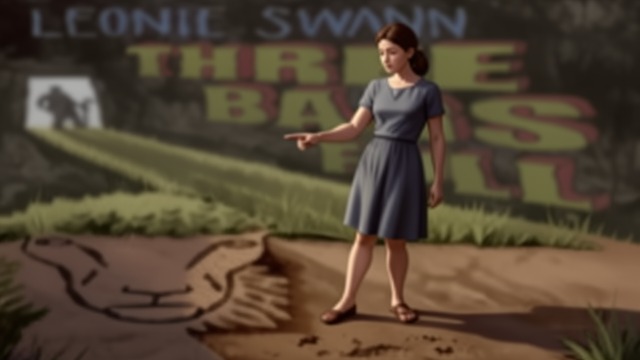
Accepting the Harder Answer
Evidence overturns certainty
Beth’s account and Fosco’s explanation expose the weakness of Miss Maple’s theory. George’s death was suicide, with Beth’s later actions intended to carry out his wishes.
Wisdom through revision
Miss Maple accepts the answer rather than protecting her reputation. The case ends not with complete human understanding, but with her willingness to admit what the flock cannot know.
At the first flock meeting
On the first day after the murder
After the first night in the hay barn
After Beth’s account of George’s habits
At the contest after Beth’s testimony
